7 Essential Insights: Understanding BMI Charts for Women …

Understanding BMI Charts for Women by Age: A Comprehensive Guide
Did you know that approximately 73.6% of American adults are either overweight or obese? [Source: CDC] This striking statistic highlights the importance of understanding body composition and its relation to health. For women, this understanding can be further nuanced by age, as metabolic rates and body fat distribution naturally change over a lifetime. A key tool in assessing weight status is the Body Mass Index (BMI), and while a universal BMI chart exists, considering age-specific charts and ranges can provide a more personalized perspective. This comprehensive guide will delve into BMI charts for women by age, exploring what they mean, how they are used, their limitations, and how to interpret them within a broader health context.
What is Body Mass Index (BMI)?
Before diving into age-specific charts, it’s crucial to understand what BMI is and how it’s calculated. Body Mass Index (BMI) is a numerical value derived from a person’s weight and height. It serves as a screening tool to categorize a person’s weight status into underweight, normal or healthy weight, overweight, or obese.
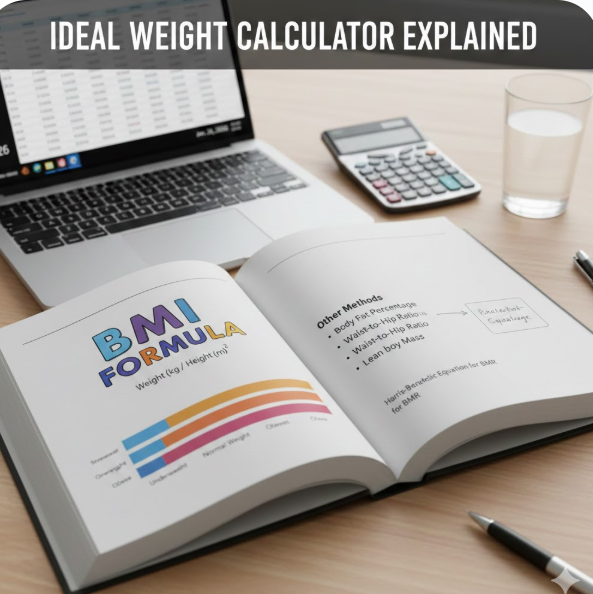
The formula for BMI is straightforward:
BMI = weight (kg) / height (m)²
Or, if using imperial units:
BMI = [weight (lb) / height (in)²] x 703
A higher BMI generally indicates a higher body fat percentage, which can be associated with an increased risk of certain health problems. Conversely, a very low BMI might suggest being underweight, which can also carry health risks.
The Standard BMI Categories
The World Health Organization (WHO) and other health authorities generally use the following BMI categories:
- Underweight: BMI less than 18.5
- Normal or Healthy Weight: BMI 18.5 to 24.9
- Overweight: BMI 25.0 to 29.9
- Obese: BMI 30.0 or greater
Within the obese category, there are further classifications:
- Obese Class I: BMI 30.0 to 34.9
- Obese Class II: BMI 35.0 to 39.9
- Obese Class III (Severe Obesity): BMI 40.0 or greater
It’s important to note that these are general guidelines, and what constitutes a “healthy” weight can vary based on several factors, including age, sex, muscle mass, and ethnicity.
Why Consider Age When Looking at BMI Charts for Women?
While the fundamental BMI calculation remains the same, the interpretation and implications of a specific BMI can differ across age groups, particularly for women. Several physiological changes occur throughout a woman’s life that influence body composition and health risks:
Metabolism and Age
As women age, their metabolism tends to slow down. This means their bodies burn fewer calories at rest. If dietary intake remains the same, this can lead to weight gain over time. A BMI that might have been considered healthy in a woman’s 20s could potentially be on the higher end of the healthy range or even in the overweight category in her 50s or 60s, even if her actual body fat percentage hasn’t drastically increased, but rather her muscle mass has decreased.
Body Fat Distribution
Hormonal changes, especially during and after menopause, can significantly alter how women store body fat. Many women experience an increase in abdominal fat (visceral fat), which is considered more metabolically active and is linked to a higher risk of cardiovascular disease and type 2 diabetes, even if overall BMI remains within the overweight or obese range. [Source: Mayo Clinic]
Muscle Mass
Muscle mass naturally declines with age, a process known as sarcopenia. Muscle is metabolically active and burns more calories than fat. A decrease in muscle mass can contribute to a slower metabolism and a higher body fat percentage, even if total body weight remains stable. This can make BMI interpretation more complex, as a woman with a higher proportion of muscle mass might have a higher BMI than someone with less muscle and more fat, but be metabolically healthier.
Bone Density
Bone density also tends to decrease with age, particularly after menopause. While BMI doesn’t directly measure bone density, it’s a factor in overall body composition and health.
BMI Charts for Women by Age: Understanding the Nuances
The standard BMI charts are based on data primarily from adult populations and do not inherently adjust for the specific physiological changes women experience with age. However, some resources and healthcare professionals might consider age-adjusted BMI interpretations or use growth charts for children and adolescents. For adult women, the focus is less on distinct “age-specific charts” and more on interpreting the standard BMI within the context of age and other health indicators.
BMI for Younger Women (18-30s)
In this age group, women are often at their peak metabolic rate, and muscle mass is typically higher. A BMI within the healthy range (18.5-24.9) is generally associated with the lowest health risks. However, even in younger women, a BMI in the overweight or obese category can signal an increased risk for conditions like polycystic ovary syndrome (PCOS), insulin resistance, and early signs of cardiovascular issues.
It’s also important for younger women to be mindful of underweight BMI. A BMI below 18.5 can be linked to hormonal imbalances, menstrual irregularities, and potential fertility issues. [Source: Cleveland Clinic]
BMI for Middle-Aged Women (40s-50s)
This is often the period when women may experience perimenopause and menopause. Hormonal shifts, particularly a decrease in estrogen, can lead to:
- Increased abdominal fat: As mentioned earlier, this is a significant concern.
- Slower metabolism: Contributing to gradual weight gain.
- Changes in body composition: Loss of muscle mass and potential decrease in bone density.
For middle-aged women, a BMI that falls at the higher end of the “healthy” range (e.g., 23-24.9) might warrant closer monitoring, especially if accompanied by an increased waist circumference. A BMI in the overweight category (25-29.9) becomes more significant, and the risks associated with obesity (BMI 30+) are amplified due to the confluence of age-related changes and hormonal shifts.
BMI for Older Women (60s+)
In older adult women, the interpretation of BMI can become even more complex. While excess weight and obesity remain risk factors, a slightly higher BMI might sometimes be associated with better health outcomes in certain older populations compared to being underweight. This phenomenon, sometimes referred to as the “obesity paradox,” is complex and debated.
- Underweight (BMI < 18.5): This is a significant concern for older women. It can indicate malnutrition, increased risk of osteoporosis, frailty, falls, and slower recovery from illness or surgery.
- Healthy Weight (BMI 18.5-24.9): Generally considered ideal.
- Overweight (BMI 25-29.9): May be associated with some increased risks, but the impact can be less pronounced than in younger adults, especially if the individual is otherwise healthy and active. However, it can still contribute to joint problems and exacerbate chronic conditions.
- Obese (BMI 30+): Remains a significant risk factor for numerous health problems, including heart disease, diabetes, certain cancers, and mobility issues.
Expert Insight: Dr. Evelyn Reed, a gerontologist specializing in women’s health, notes, “For older adults, particularly women, maintaining sufficient muscle mass is critical. A BMI that appears higher due to muscle can be beneficial. Conversely, a declining BMI in older age often signals underlying health issues that need immediate attention.”
Limitations of BMI
It is crucial to understand that BMI is a screening tool, not a diagnostic one. It has significant limitations:
- Doesn’t distinguish between fat and muscle: A very muscular woman, like an athlete, might have a high BMI that places her in the “overweight” or “obese” category, despite having very low body fat and being extremely healthy.
- Doesn’t account for body composition: It doesn’t tell us where fat is distributed (e.g., visceral vs. subcutaneous fat). Visceral fat is more dangerous.
- Doesn’t consider bone density: As mentioned, bone density naturally changes with age.
- Ethnic variations: BMI-health risk relationships can differ across ethnic groups. For example, some Asian populations may have higher health risks at lower BMI levels compared to Caucasian populations. [Source: WHO]
- Age-specific physiological changes: As discussed, metabolic rate, muscle mass, and fat distribution change with age, making a single BMI threshold less universally applicable across all life stages.
Beyond BMI: A Holistic Approach to Women’s Health
Because of BMI’s limitations, healthcare professionals use it in conjunction with other measurements and assessments to evaluate a woman’s health. These include:
Waist Circumference
Measuring waist circumference is a simple yet effective way to assess abdominal obesity. Excess abdominal fat is strongly linked to increased risks of cardiovascular disease, type 2 diabetes, and metabolic syndrome.
- General Recommendations: For women, a waist circumference greater than 35 inches (88 cm) is generally considered to be at increased risk. [Source: National Heart, Lung, and Blood Institute]
Body Fat Percentage
Body fat percentage provides a more direct measure of the amount of fat tissue in the body. This can be measured using various methods, including:
- Bioelectrical Impedance Analysis (BIA): Devices that send a mild electrical current through the body.
- Skinfold Calipers: Measuring the thickness of subcutaneous fat at specific body sites.
- DEXA Scan (Dual-energy X-ray absorptiometry): A more sophisticated and accurate method that also measures bone density.
Other Health Indicators
A comprehensive health assessment will also consider:
- Blood pressure: High blood pressure is a major risk factor for heart disease.
- Blood glucose levels: To screen for diabetes or prediabetes.
- Cholesterol levels: To assess cardiovascular risk.
- Family history: Genetic predisposition to certain conditions.
- Lifestyle factors: Diet, physical activity levels, smoking status, alcohol consumption, stress levels.
- Menstrual cycle regularity: For premenopausal women, this can be an indicator of hormonal health.
Interpreting BMI Charts for Women by Age: Practical Advice
When looking at BMI charts or discussing your BMI with a healthcare provider, consider these points:
- Use it as a starting point: Your BMI is a number. It’s a signal to potentially explore your health further, not a definitive judgment.
- Consider your age and life stage: Recognize that your body composition naturally changes. What was “ideal” at 20 might need adjustment in perspective at 50.
- Don’t forget muscle mass: If you are active and have significant muscle, your BMI might be higher than the “ideal” range, and that’s perfectly fine if your body fat percentage is healthy.
- Pay attention to waist circumference: This is a crucial indicator, especially for women, regarding metabolic health.
- Consult a healthcare professional: This is the most important step. A doctor or registered dietitian can interpret your BMI within the context of your overall health, medical history, and lifestyle. They can recommend appropriate next steps, whether it’s focusing on weight management, building muscle, or addressing other health concerns.
- Focus on healthy habits, not just the number: Sustainable healthy habits like balanced nutrition, regular physical activity, adequate sleep, and stress management are more important than obsessing over a specific BMI number.
Resources for Women’s Health and BMI Information
For further information and resources, consider consulting:
- The Centers for Disease Control and Prevention (CDC): Offers extensive information on health statistics, BMI calculators, and public health guidelines. Source: CDC
- The World Health Organization (WHO): Provides global health data and recommendations on nutrition and weight management. Source: WHO
- National Institutes of Health (NIH): Offers research-based information on various health topics, including women’s health and obesity. Source: NIH
- Dike Community Health: For localized health resources and information relevant to your community, exploring resources like Dike Community Health can be beneficial.
Conclusion
Understanding BMI charts for women by age requires looking beyond the simple numbers. While BMI remains a valuable screening tool, its interpretation must be nuanced, considering the physiological changes women experience throughout their lives – from metabolism shifts and hormonal fluctuations to changes in muscle mass and fat distribution. The standard BMI categories provide a general framework, but for women, especially as they age, factors like waist circumference, body fat percentage, and other health indicators offer a more complete picture.
Ultimately, the goal is not to fit a specific BMI number but to achieve and maintain a level of health that supports well-being throughout the lifespan. By using BMI as a starting point for conversation with healthcare providers and focusing on sustainable healthy habits, women can navigate their health journey with greater understanding and confidence, regardless of their age.
Frequently Asked Questions
What is the healthy BMI range for women?
The generally accepted healthy BMI range for adult women is between 18.5 and 24.9. However, this is a broad guideline. Factors like age, muscle mass, and ethnicity can influence what is considered optimal for an individual. It’s always best to discuss your specific BMI with a healthcare professional.
How does age affect BMI interpretation for women?
As women age, their metabolism typically slows down, and hormonal changes (especially around menopause) can lead to shifts in body composition, such as increased abdominal fat and decreased muscle mass. This means a BMI that was healthy in younger years might need to be interpreted differently in older age. For instance, a slightly higher BMI might be less concerning in an older, active woman than in a younger one, while being underweight becomes a more significant concern for older adults.
Is a BMI over 25 always unhealthy for women?
Not necessarily. A BMI over 25 indicates being overweight. While this range is associated with increased health risks, the degree of risk depends on several factors, including body fat distribution (measured by waist circumference), overall fitness level, presence of other health conditions, and lifestyle habits. A very muscular woman might have a BMI over 25 but be very healthy. Conversely, a woman with a BMI in the “healthy” range but a high waist circumference might have elevated health risks.
Should women focus more on BMI or body fat percentage?
Both BMI and body fat percentage offer different insights. BMI is a quick screening tool for general weight status, while body fat percentage gives a more direct measure of body composition. For women, especially as they age or if they are very active, body fat percentage and waist circumference might provide a more accurate understanding of health risks related to fat accumulation than BMI alone. A comprehensive health assessment often includes multiple metrics.
What are the health risks associated with a high BMI in women?
A high BMI (overweight or obese) in women is associated with an increased risk of numerous health problems, including:
- Heart disease and stroke
- Type 2 diabetes
- High blood pressure (hypertension)
- Certain types of cancer (e.g., breast, endometrial, colon)
- Osteoarthritis (joint problems)
- Sleep apnea
- Infertility and pregnancy complications
- Gallbladder disease
- Fatty liver disease
What is considered underweight for women, and why is it a concern?
A BMI below 18.5 is considered underweight. For women, being underweight can be a concern as it may indicate:
- Malnutrition or nutrient deficiencies
- Hormonal imbalances, leading to irregular or absent menstrual periods
- Increased risk of osteoporosis (weak bones)
- Weakened immune system
- Increased risk of complications during surgery or illness
- Potential fertility issues
Key Takeaways
- BMI Defined: Body Mass Index (BMI) is a measure of weight relative to height, used to categorize weight status.
- Standard Ranges: Healthy BMI is 18.5-24.9; Overweight is 25-29.9; Obese is 30+.
- Age Matters for Women: Metabolism, hormone levels, and body fat distribution change with age, affecting BMI interpretation.
- Menopause Impact: Hormonal shifts during menopause often lead to increased abdominal fat, a key health concern.
- Muscle vs. Fat: BMI doesn’t distinguish between muscle and fat; muscular individuals may have a higher BMI.
- Beyond BMI: Waist circumference, body fat percentage, blood pressure, and blood glucose are vital health indicators.
- Holistic Approach: Focus on overall healthy habits (diet, exercise, sleep) rather than just a BMI number.
- Professional Guidance: Always consult a healthcare provider for personalized health assessments and advice.
- Underweight Risks: A BMI below 18.5 can signal malnutrition and other health issues, particularly concerning in older women.
- Resources: Reliable information can be found at the CDC, WHO, and NIH. Exploring local health services like Dike Community Health is also recommended.