
Expert Guide: 5 Facts on Understanding BMI & Calculator
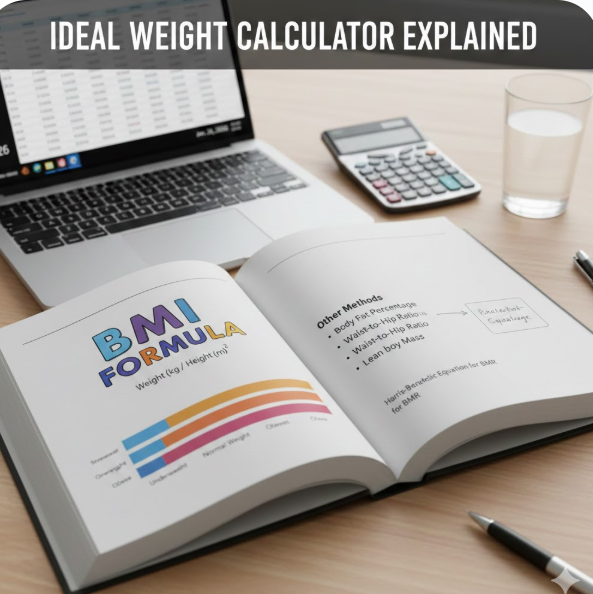
Understanding BMI: A Comprehensive Guide to BMI Calculators for Men and Women

Did you know that an estimated 1.9 billion adults worldwide were overweight in 2016, and of those, over 650 million were obese? Source: World Health Organization. Understanding your body mass index (BMI) is a crucial first step in assessing your weight status and identifying potential health risks associated with being underweight, overweight, or obese. This comprehensive guide will delve into what BMI is, how BMI calculators work for both men and women, the nuances of interpreting BMI results, and its significance for overall health and well-being. We’ll also explore how to use a BMI calculator effectively and what to do with the information it provides.
What is Body Mass Index (BMI)?
Body Mass Index, or BMI, is a simple numerical value derived from a person’s weight and height. It’s a widely used screening tool to categorize individuals into different weight categories, such as underweight, normal weight, overweight, and obese. The formula for calculating BMI is straightforward:
BMI = weight (kg) / height² (m²)
Where:
- weight is measured in kilograms (kg)
- height is measured in meters (m)
Alternatively, if you’re using pounds (lbs) and inches (in), the formula is:
BMI = (weight (lbs) / height² (in²)) * 703
The factor of 703 is a conversion factor to adjust for the different units of measurement.
It’s important to understand that BMI is a screening tool, not a diagnostic tool. It doesn’t directly measure body fat or assess an individual’s health status. Instead, it provides an indication of whether a person’s weight is likely within a healthy range for their height.
How BMI Calculators Work for Men and Women
BMI calculators, whether online or manual, simply apply the BMI formula using the data you input. For men and women, the calculation process is identical. However, the interpretation of BMI results can sometimes consider sex due to physiological differences in body composition.
The Calculation Process
- Input Height: You’ll be asked to enter your height. This can be in meters and centimeters, or feet and inches.
- Input Weight: You’ll then enter your weight, typically in kilograms or pounds.
- Calculation: The calculator uses the chosen formula to compute your BMI value.
- Categorization: The calculated BMI is then compared against standard BMI ranges to determine your weight category.
Interpreting BMI Categories
The standard BMI categories, as defined by organizations like the Centers for Disease Control and Prevention (CDC) Source: CDC BMI Guidelines, are:
- Underweight: BMI below 18.5
- Normal weight: BMI between 18.5 and 24.9
- Overweight: BMI between 25.0 and 29.9
- Obese: BMI of 30.0 or higher
Within the obese category, there are further classifications:
- Obese Class I: BMI between 30.0 and 34.9
- Obese Class II: BMI between 35.0 and 39.9
- Obese Class III (Severe Obesity): BMI of 40.0 or higher
Sex Differences in BMI Interpretation
While the calculation remains the same, there are some considerations when interpreting BMI for men and women:
- Body Composition: On average, men tend to have a higher muscle mass and lower body fat percentage than women, even at the same BMI. Muscle is denser than fat, so a very muscular individual might have a higher BMI without necessarily having excess body fat.
- Fat Distribution: Women tend to store fat more readily in the hips and thighs, while men tend to store it more around the abdomen. Abdominal fat is often considered more metabolically active and associated with a higher risk of certain health conditions.
Because of these differences, some health professionals might consider a slightly higher BMI range as acceptable for women compared to men, particularly in older age groups. However, the general BMI categories are still the primary reference point for most screening purposes.
The Significance of BMI for Men and Women’s Health
BMI is a valuable tool because it correlates with the risk of developing certain chronic diseases. A higher BMI, particularly in the overweight and obese ranges, is associated with an increased risk of:
- Heart Disease and Stroke: Excess weight can lead to high blood pressure, high cholesterol, and atherosclerosis (hardening of the arteries).
- Type 2 Diabetes: Obesity is a major risk factor for insulin resistance and the development of type 2 diabetes.
- Certain Cancers: Studies have linked higher BMI to an increased risk of several types of cancer, including breast, colon, endometrial, and kidney cancers. Source: National Cancer Institute
- Osteoarthritis: Carrying excess weight puts additional stress on joints, particularly the knees and hips, increasing the risk of osteoarthritis.
- Sleep Apnea: Obesity is a common cause of obstructive sleep apnea, a condition where breathing repeatedly stops and starts during sleep.
- Gallbladder Disease: Overweight and obese individuals are more likely to develop gallstones.
- Mental Health Issues: While not a direct physical consequence, weight stigma and the challenges of managing weight-related health issues can impact mental well-being.
Conversely, being underweight (BMI below 18.5) can also pose health risks, including:
- Nutritional Deficiencies: Insufficient body weight can indicate inadequate intake of essential nutrients.
- Osteoporosis: Low body weight is a risk factor for weakened bones.
- Infertility: In some cases, very low body weight can disrupt hormonal balance and affect fertility.
- Weakened Immune System: Malnutrition can impair the body’s ability to fight off infections.
Using a BMI Calculator Effectively
Using a BMI calculator is a straightforward process, but it’s essential to use it correctly and understand its limitations.
Tips for Accurate Calculation:
- Use Consistent Units: Ensure you are using the same units (kg and meters, or lbs and inches) for all measurements. Most online calculators will specify which units they accept.
- Accurate Measurements: Weigh yourself on a reliable scale and measure your height without shoes. Ideally, measure height at the same time of day to account for minor fluctuations.
- Understand the Context: Remember that BMI is a general indicator. Factors like muscle mass, age, and body fat distribution can influence your health status independently of your BMI.
When to Consult a Healthcare Professional:
- Borderline Results: If your BMI falls close to a category boundary (e.g., 24.5 or 25.5), it’s wise to discuss it with your doctor.
- High Muscle Mass: Athletes or individuals with significant muscle mass may have a high BMI without being unhealthy. A doctor can help assess body composition through other means.
- Specific Health Conditions: If you have existing health conditions, your doctor will consider your BMI in conjunction with these.
- Concerns about Weight: If you have concerns about your weight or health, regardless of your BMI, seeking professional advice is always recommended.
Beyond BMI: Other Health Indicators
While BMI is a valuable screening tool, it’s not the whole picture when it comes to assessing health. Other important indicators include:
- Waist Circumference: Measuring your waist circumference can provide insight into abdominal fat, which is strongly linked to metabolic diseases. For women, a waist circumference over 35 inches (88 cm) and for men, over 40 inches (102 cm) is associated with increased health risks. Source: Mayo Clinic
- Body Fat Percentage: This measures the proportion of fat in your body compared to your lean mass (muscle, bone, organs). This can be measured using various methods like bioelectrical impedance analysis (BIA) scales, skinfold calipers, or DEXA scans.
- Blood Pressure: High blood pressure is a significant risk factor for heart disease and stroke.
- Blood Glucose Levels: Monitoring blood sugar is crucial for detecting and managing diabetes.
- Cholesterol Levels: High cholesterol can contribute to heart disease.
- Fitness Level: Regular physical activity is a key component of overall health, regardless of BMI.
A balanced approach to health involves considering BMI alongside these other indicators and, most importantly, consulting with healthcare professionals for personalized advice.
BMI and Different Life Stages
The interpretation and relevance of BMI can shift across different life stages:
Children and Adolescents:
BMI for children and adolescents is interpreted differently, using BMI-for-age percentiles. This is because children’s bodies are still growing and developing. Their BMI is compared to other children of the same age and sex. This percentile ranking helps determine if a child is underweight, normal weight, overweight, or obese for their developmental stage. Pediatricians use these charts extensively.
Older Adults:
As people age, body composition naturally changes, often with a decrease in muscle mass and an increase in body fat. Some research suggests that a slightly higher BMI range (e.g., 25 to 27) might be associated with better health outcomes and lower mortality risk in older adults compared to younger populations. However, this is a complex area, and individual health status remains paramount.
Pregnancy:
BMI is calculated before pregnancy to guide weight gain recommendations during gestation. Gaining the appropriate amount of weight during pregnancy is crucial for both maternal and fetal health.
Limitations of BMI
It’s crucial to reiterate that BMI has limitations:
- Muscle vs. Fat: As mentioned, highly muscular individuals can have a high BMI without having unhealthy levels of body fat.
- Body Composition: BMI doesn’t differentiate between fat mass and lean mass.
- Age and Sex: While the calculation is the same, interpretation can be nuanced.
- Ethnicity: Some studies suggest that certain ethnic groups may have different health risks at the same BMI. For example, individuals of South Asian descent may have a higher risk of cardiovascular disease at a lower BMI compared to individuals of European descent. Source: Public Health England
- Distribution of Fat: BMI doesn’t tell you where fat is stored. Visceral fat (around the organs) is more harmful than subcutaneous fat (under the skin).
BMI Calculators: Tools for Awareness, Not Diagnosis
BMI calculators are readily available online and through various health apps. They serve as excellent tools for increasing awareness about one’s weight status relative to general population guidelines. You can easily find reliable BMI calculators on reputable health websites, including those provided by dike.com.ng which offers a user-friendly interface.
Using a BMI calculator can be a powerful starting point for a conversation about your health with a healthcare provider. It can prompt you to consider your diet, exercise habits, and overall lifestyle.
Example Scenario:
Let’s consider Sarah, a 30-year-old woman who is 5’6″ (1.68m) tall and weighs 150 lbs (68 kg).
Using the formula: BMI = 68 kg / (1.68 m * 1.68 m) BMI = 68 / 2.8224 BMI ≈ 24.1
According to the standard categories, Sarah’s BMI of 24.1 falls within the “Normal weight” range (18.5–24.9). This suggests her weight is likely healthy for her height. However, she might still want to consider her body composition and waist circumference to get a more complete picture of her health.
Now consider John, a 35-year-old man who is 5’10” (1.78m) tall and weighs 220 lbs (100 kg).
Using the formula: BMI = 100 kg / (1.78 m * 1.78 m) BMI = 100 / 3.1684 BMI ≈ 31.5
John’s BMI of 31.5 falls into the “Obese Class I” category. This indicates a higher risk for weight-related health problems, and he would be strongly encouraged to consult with a healthcare professional to discuss strategies for weight management and health improvement.
Strategies for Healthier Weight Management
If your BMI indicates you are in a weight category that poses health risks, there are several evidence-based strategies for achieving and maintaining a healthier weight. These strategies should ideally be discussed with a healthcare provider to create a personalized plan.
1. Balanced Nutrition:
- Focus on Whole Foods: Emphasize fruits, vegetables, lean proteins, and whole grains. These foods are nutrient-dense and tend to be more filling.
- Portion Control: Be mindful of serving sizes. Using smaller plates can help.
- Limit Processed Foods: Reduce intake of sugary drinks, fast food, and heavily processed snacks, which are often high in calories, unhealthy fats, and sodium.
- Hydration: Drinking plenty of water throughout the day can help with satiety and metabolism.
2. Regular Physical Activity:
- Aerobic Exercise: Aim for at least 150 minutes of moderate-intensity or 75 minutes of vigorous-intensity aerobic activity per week. This includes activities like brisk walking, jogging, swimming, or cycling.
- Strength Training: Incorporate muscle-strengthening activities at least two days a week. Building muscle can boost metabolism.
- Increase NEAT (Non-Exercise Activity Thermogenesis): This involves increasing your overall daily movement, such as taking the stairs, walking during breaks, or standing more often.
3. Behavioral Changes:
- Mindful Eating: Pay attention to hunger and fullness cues. Eat slowly and savor your food.
- Stress Management: Chronic stress can lead to weight gain. Find healthy ways to manage stress, such as meditation, yoga, or spending time in nature.
- Adequate Sleep: Poor sleep can disrupt hormones that regulate appetite, leading to increased cravings. Aim for 7-9 hours of quality sleep per night.
- Support Systems: Enlist the support of friends, family, or a support group.
4. Professional Guidance:
- Registered Dietitian/Nutritionist: Can provide personalized meal plans and dietary advice.
- Certified Personal Trainer: Can help develop a safe and effective exercise program.
- Physician: Essential for medical advice, monitoring health, and discussing weight management medications or surgical options if appropriate.
Conclusion
The BMI calculator is a valuable and accessible tool for men and women alike to gauge their weight status relative to height. While it provides a simple numerical output, its interpretation requires nuance, considering factors beyond the raw number, such as body composition, age, and individual health goals. Understanding your BMI is a positive step towards greater health awareness and can serve as a catalyst for adopting healthier lifestyle habits. However, it is crucial to remember that BMI is a screening tool, not a definitive measure of health. For personalized health assessments and guidance, consulting with healthcare professionals remains the most reliable approach. By combining BMI awareness with other health indicators and professional advice, individuals can make informed decisions to promote long-term well-being.
Key Takeaways
- BMI is calculated using a person’s weight and height.
- Standard BMI categories range from underweight to obese.
- BMI calculators work the same for men and women, but interpretation may consider sex due to differences in body composition.
- Higher BMIs are associated with increased risks of chronic diseases like heart disease, diabetes, and certain cancers.
- Lower BMIs can also indicate potential health risks like nutritional deficiencies and weakened immunity.
- BMI is a screening tool and has limitations, particularly for very muscular individuals.
- Other health indicators like waist circumference and body fat percentage offer a more complete health picture.
- Consulting healthcare professionals is essential for accurate health assessment and personalized advice.
- Healthy weight management involves balanced nutrition, regular physical activity, and behavioral changes.
Frequently Asked Questions
What is the most accurate way to calculate BMI?
The most accurate way to calculate BMI is by using your precise weight in kilograms and your height in meters squared, or your weight in pounds and your height in inches squared multiplied by a conversion factor of 703. Ensure you use a reliable scale for weight and measure your height without shoes. Online BMI calculators are generally accurate if they use these standard formulas.
Can BMI be different for men and women?
The calculation for BMI is the same for men and women. However, the interpretation can sometimes be nuanced. On average, men have more muscle mass and less body fat than women, meaning a muscular man might have a higher BMI without having excess body fat. Some health guidelines might consider slightly different BMI ranges for men and women, especially in older age groups, but the general categories are standard.
How often should I check my BMI?
You don’t need to check your BMI daily. A good frequency is to check it every few months, or whenever you notice significant changes in your weight or body composition. It’s more important to focus on consistent healthy habits than on the number itself. If you have specific health concerns, your doctor might recommend more frequent monitoring.
Is a BMI of 23 healthy?
A BMI of 23 generally falls within the “Normal weight” category (18.5–24.9). This is typically considered a healthy weight range for most adults. However, it’s always best to consider this alongside other health indicators and discuss your overall health with a healthcare professional.
What are the limitations of using a BMI calculator?
BMI calculators have limitations. They do not distinguish between muscle mass and fat mass, meaning very muscular individuals may have a high BMI without being overweight. BMI also doesn’t account for body fat distribution (e.g., abdominal fat, which is more metabolically risky) or consider factors like age, sex, and ethnicity, which can influence health risks at a given BMI. It is a screening tool, not a diagnostic tool.
What should I do if my BMI is in the overweight or obese range?
If your BMI falls into the overweight or obese range, it’s a signal to discuss your health with a healthcare provider. They can help you understand your specific risks and develop a personalized plan that may include dietary changes, increased physical activity, stress management techniques, and potentially other interventions. Focusing on sustainable lifestyle changes is key.