
The Economic Cost of Obesity to Employers
Discover the significant economic impact of obesity on businesses, including healthcare costs, lost productivity, and absenteeism. Learn how employers can address this challenge.

The Hidden Price Tag: Understanding the Economic Cost of Obesity to Employers
Did you know that obesity is estimated to cost the global economy trillions of dollars annually? For businesses, this isn't just a public health issue; it's a significant financial burden that impacts the bottom line. From increased healthcare expenditures to decreased employee productivity, the economic ramifications of obesity within the workforce are substantial and often underestimated.
The Multifaceted Financial Burden of Obesity in the Workplace
Obesity, defined as having an excessive amount of body fat, is a complex health condition linked to a higher risk of numerous chronic diseases, including heart disease, type 2 diabetes, certain cancers, and musculoskeletal disorders. These health issues translate directly into tangible economic costs for employers across various sectors.
1. Escalating Healthcare Costs
One of the most direct and significant economic consequences of obesity for employers is the rise in healthcare spending. Employees with obesity are more likely to experience chronic health conditions that require ongoing medical attention, prescription medications, and hospitalizations.
- Increased Insurance Premiums: When a workforce has a higher prevalence of health issues related to obesity, insurance companies often reflect this risk in higher premiums for employer-sponsored health plans. This means businesses pay more to insure their employees, even if the direct costs aren't immediately apparent on their balance sheet.
- Higher Out-of-Pocket Expenses: While employers often bear the brunt of insurance premiums, employees may also face higher deductibles, co-pays, and out-of-pocket expenses for treatments, which can indirectly affect morale and financial well-being, potentially impacting their focus at work.
- Workers' Compensation Claims: Musculoskeletal issues, such as back pain and joint problems, are more common in individuals with obesity. These conditions can lead to more frequent and severe workers' compensation claims, further increasing a company's financial liability.
According to a study published in the journal Health Affairs, the estimated medical cost of obesity in the United States in 2008 was $147 billion, with obese individuals incurring $1,429 more in annual medical costs than those of normal weight. [^1]
2. Lost Productivity and Presenteeism
Beyond direct medical expenses, obesity significantly impacts employee productivity. This can manifest in several ways:
- Reduced Work Efficiency: Employees struggling with health issues related to obesity may experience lower energy levels, fatigue, and reduced physical capacity, leading to slower task completion and decreased overall output.
- Presenteeism: This refers to the phenomenon where employees come to work but are not fully functioning due to illness or other health problems. Employees experiencing discomfort, pain, or the side effects of chronic conditions associated with obesity may be physically present but mentally disengaged and less productive. A study by the American Journal of Health Promotion found that presenteeism due to obesity costs employers significantly more than absenteeism. [^2]
- Cognitive Impairment: Emerging research suggests a link between obesity and cognitive function, including issues with memory, attention, and decision-making. This can impact roles requiring complex problem-solving or sustained concentration.
3. Increased Absenteeism
Employees with obesity are more likely to take sick days due to the higher incidence of chronic diseases and acute health episodes. This absenteeism disrupts workflow, necessitates coverage by other employees (potentially leading to burnout), and can delay project timelines.
- More Frequent Sick Leave: Conditions like diabetes, heart disease, and respiratory problems often require employees to take more frequent time off for doctor's appointments, treatments, or recovery.
- Longer Recovery Periods: When employees do require time off for surgery or serious illness, recovery periods for individuals with obesity can sometimes be longer due to underlying health complications.
4. Impact on Recruitment and Retention
While not always a direct financial cost, the prevalence of health issues within a workforce can indirectly affect recruitment and retention.
- Reputational Damage: Companies perceived as unhealthy environments or those with high healthcare costs might struggle to attract top talent.
- Employee Morale: High healthcare costs and the presence of widespread employee health issues can negatively impact overall morale and job satisfaction.
5. Workplace Accommodations and Safety Concerns
In some cases, employers may need to provide workplace accommodations for employees with obesity-related health conditions. This could include ergonomic furniture, specialized equipment, or modifications to workstations. Furthermore, certain physically demanding roles may present safety concerns for individuals with obesity, potentially leading to accidents and increased liability.
Quantifying the Cost: Statistics and Studies
The economic burden of obesity on businesses is not merely anecdotal. Numerous studies have attempted to quantify these costs:
- A report by the World Health Organization (WHO) highlighted that overweight and obesity are associated with an estimated $2 trillion in lost global GDP each year due to increased healthcare costs and reduced productivity. [^3]
Research published in the journal Obesity* indicated that obese workers cost employers an average of $4,580 more per year in healthcare expenses and lost productivity compared to their normal-weight counterparts. [^4]
- A study by the RAND Corporation found that obesity significantly impacts productivity, with obese workers losing an estimated 4.5 more days of work per year compared to normal-weight individuals.
These figures underscore the substantial financial implications that employers face, making obesity a critical business concern.
Addressing the Challenge: Employer Strategies
While the economic costs are significant, employers are not powerless. Proactive strategies can mitigate these financial burdens and foster a healthier, more productive workforce. Focusing on employee well-being can lead to substantial returns on investment.
 1. Promoting Healthy Lifestyles
Implementing wellness programs is a cornerstone of addressing obesity-related costs.
- Wellness Programs: Comprehensive wellness programs can include initiatives like health screenings, nutrition counseling, smoking cessation support, and stress management workshops. These programs encourage employees to adopt healthier habits.
- On-site Fitness Facilities or Subsidies: Providing access to gyms or fitness classes can encourage physical activity.
- Healthy Food Options: Offering healthier choices in company cafeterias or vending machines can support better dietary habits.
2. Encouraging Physical Activity
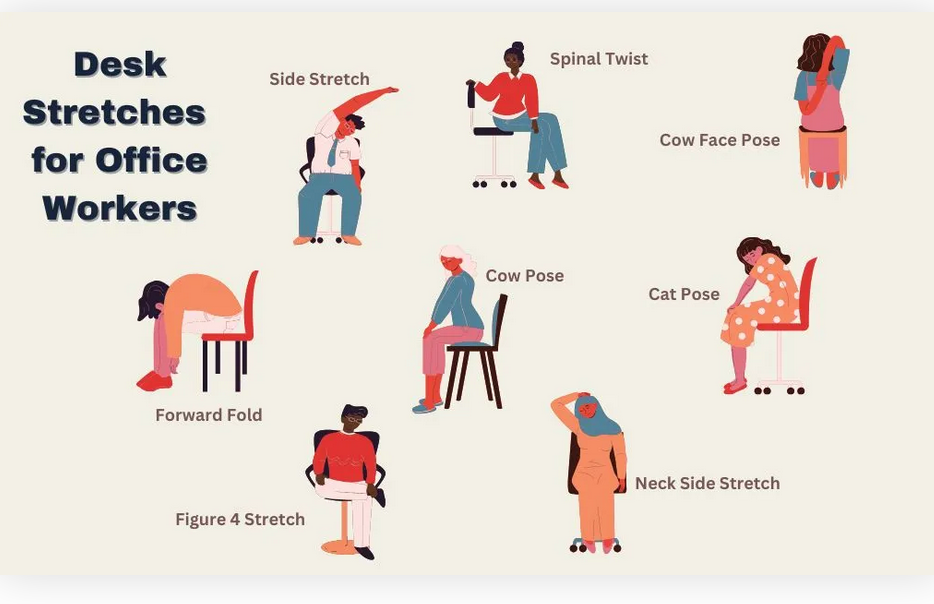 Encouraging regular physical activity is crucial. This can be achieved through:
- Walking Challenges and Programs: Organizing team-based walking challenges or providing resources for employees to track their activity.
- Promoting Active Commuting: Encouraging cycling or walking to work.
- Ergonomic Workstations: Ensuring that workstations are set up to promote good posture and comfort, which can indirectly support physical well-being. 3. Health Education and Awareness
Educating employees about the risks of obesity and the benefits of a healthy lifestyle is vital.
- Workshops and Seminars: Hosting sessions on nutrition, weight management, and chronic disease prevention.
- Access to Health Information: Providing reliable resources and information on healthy living. 4. Supporting Mental Health
Mental and physical health are closely intertwined. Stress and mental health challenges can contribute to unhealthy eating habits and weight gain. Employers can support mental well-being through:
- Employee Assistance Programs (EAPs): Offering confidential counseling services.
- Promoting Work-Life Balance: Encouraging reasonable working hours and adequate breaks. 5. Reviewing and Adapting Health Benefits
Employers can also review their health insurance plans to ensure they are comprehensive and encourage preventive care.
- Preventive Care Coverage: Ensuring that plans cover preventive services like annual check-ups and screenings.
- Weight Management Programs: Offering coverage for medically supervised weight loss programs or bariatric surgery when appropriate. The Role of Dike Consulting Group
Navigating the complexities of employee health and its economic impact requires expert guidance. At Dike Consulting Group, we specialize in helping organizations understand and mitigate the financial risks associated with workforce health challenges, including obesity. Our services can assist in developing targeted wellness strategies, analyzing healthcare cost trends, and implementing programs that promote employee well-being, ultimately leading to a healthier and more profitable business.
Conclusion
The economic cost of obesity to employers is a substantial and multifaceted issue that impacts healthcare spending, productivity, and overall business performance. By understanding these costs and implementing comprehensive wellness strategies, businesses can not only reduce their financial burden but also foster a healthier, more engaged, and more productive workforce. Investing in employee well-being is not just a matter of corporate social responsibility; it's a strategic imperative for long-term business success.
Key Takeaways
- Obesity leads to significant direct healthcare costs for employers through increased insurance premiums and claims.
- Lost productivity, including reduced efficiency and presenteeism, is a major economic consequence.
- Increased absenteeism due to obesity-related health issues disrupts workflow and incurs costs.
- Implementing robust wellness programs, promoting healthy lifestyles, and providing health education can mitigate these economic burdens.
- Investing in employee well-being is a strategic approach to reducing costs and enhancing business performance. Frequently Asked Questions (FAQs)1. How much does obesity cost employers annually?
Estimates vary, but studies suggest that obese workers can cost employers thousands of dollars more per year in healthcare expenses and lost productivity compared to their normal-weight counterparts. The global economic impact is in the trillions of dollars due to lost GDP.
2. What is "presenteeism" and how does it relate to obesity?
Presenteeism occurs when employees come to work but are not fully productive due to health issues. Employees with obesity may experience fatigue, pain, or other health problems that reduce their focus and efficiency while at work, leading to decreased output.
3. Can employers legally implement weight-based policies?
In many regions, employers must be careful about weight-based policies due to anti-discrimination laws that may protect individuals based on perceived disability or health status. The focus is generally on promoting healthy behaviors rather than penalizing weight itself.
4. What are the most effective employer strategies for addressing obesity-related costs?
Effective strategies include comprehensive wellness programs, promoting physical activity, providing health education, supporting mental health, and offering comprehensive health benefits that encourage preventive care and weight management.
5. How do obesity-related health conditions impact workers' compensation claims?
Musculoskeletal issues like back pain and joint problems are more prevalent in individuals with obesity, leading to more frequent and potentially severe workers' compensation claims for injuries or exacerbations of pre-existing conditions.
6. Is investing in employee wellness programs financially beneficial for employers?
Yes, research consistently shows that well-designed and implemented employee wellness programs can lead to significant returns on investment by reducing healthcare costs, absenteeism, and presenteeism, while improving employee morale and productivity.---*Medical Disclaimer
Welcome to Dike. The information, calculators, charts, and guides provided on this website are for educational and informational purposes only. They are not intended to replace professional medical advice, diagnosis, or treatment.
Not a Substitute for Professional AdviceWhile we strive to provide accurate and reliable health information, the content on Dike should not be used as the sole basis for making health decisions. Always consult a licensed healthcare provider or medical professional regarding any questions about your health, weight, diet, or exercise.*