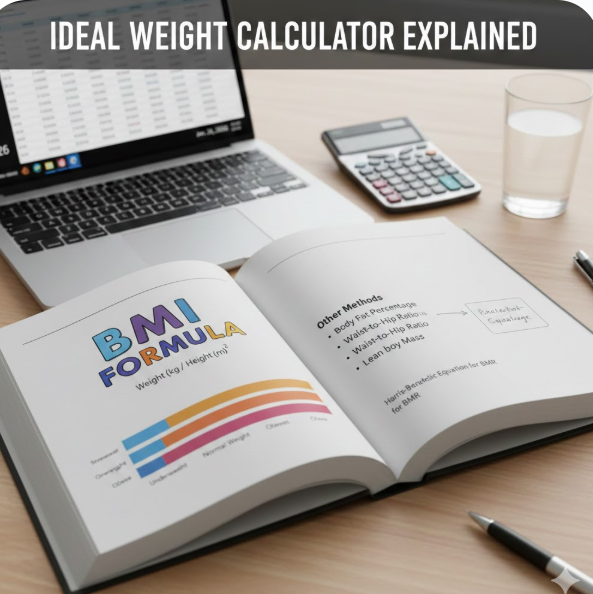
Understanding the BMI: 3 Easy Pounds & Inches Formulas

Understanding the BMI Formula in Pounds and Inches: A Comprehensive Guide
Did you know that over 1.9 billion adults worldwide are classified as overweight or obese? Source: World Health Organization. This staggering statistic highlights the importance of understanding our body composition and health indicators. One of the most widely used tools for this is the Body Mass Index, or BMI. While often discussed, the specifics of how BMI is calculated, especially using the imperial system of pounds and inches, can be a source of confusion. This guide will demystify the BMI formula in pounds and inches, explore its applications, limitations, and provide practical insights for using it effectively.
What is Body Mass Index (BMI)?
Body Mass Index (BMI) is a numerical value derived from the mass (weight) and height of an individual. It’s a screening tool used to categorize a person’s weight status relative to their height. Developed by Belgian mathematician Adolphe Quetelet in the 19th century, it was initially called the Quetelet Index. Source: National Institutes of Health. The concept behind BMI is that a person’s weight should be proportional to their height. Generally, a higher BMI indicates a higher body fat percentage, while a lower BMI suggests a lower body fat percentage.
BMI is categorized into several ranges:
- Underweight: BMI below 18.5
- Normal weight: BMI between 18.5 and 24.9
- Overweight: BMI between 25.0 and 29.9
- Obesity: BMI of 30.0 or higher
These categories are widely used by healthcare professionals to assess potential weight-related health risks. It’s crucial to remember that BMI is a screening tool, not a diagnostic tool. It doesn’t directly measure body fat or assess an individual’s overall health.
The BMI Formula: Metric vs. Imperial
The standard BMI formula is straightforward:
BMI = weight (kg) / height (m)²
Where:
weightis measured in kilograms (kg)heightis measured in meters (m)
However, in countries like the United States, the imperial system (pounds and inches) is more commonly used for weight and height measurements. This necessitates a modified formula to achieve the same result.
The BMI Formula in Pounds and Inches
To calculate BMI using pounds for weight and inches for height, we need to incorporate conversion factors. Here’s the formula:
BMI = (weight (lb) / height (in)²) \* 703
Let’s break down why the 703 is there.
- Weight Conversion: There are approximately 2.20462 pounds in one kilogram. So, to convert pounds to kilograms, you would divide by 2.20462.
- Height Conversion: There are 39.37 inches in one meter. So, to convert inches to meters, you would divide by 39.37.
- Putting it Together: If we substitute these into the metric formula:
BMI = (weight (lb) / 2.20462) / (height (in) / 39.37)² BMI = (weight (lb) / 2.20462) / (height (in)² / (39.37)²) BMI = (weight (lb) \ (39.37)²) / (height (in)² \ 2.20462) BMI = (weight (lb) \ 1550) / (height (in)² \ 2.20462) BMI = weight (lb) / height (in)² \ (1550 / 2.20462) BMI = weight (lb) / height (in)² \ 703.07
The constant 703 is a rounded factor that accounts for the conversion from pounds and inches to kilograms and meters.
Step-by-Step Calculation Example
Let’s walk through an example to make it crystal clear.
Suppose an individual weighs 160 pounds and is 64 inches tall (which is 5 feet 4 inches).
- Square the height in inches:
64 inches \* 64 inches = 4096 square inches
- Divide the weight in pounds by the squared height:
160 lb / 4096 sq in = 0.0390625
- Multiply the result by the conversion factor 703:
0.0390625 \* 703 = 27.46
So, the BMI for this individual is approximately 27.5. According to the standard categories, this falls into the “overweight” range.
Why is BMI Calculated This Way?
The reason for the specific formula in pounds and inches is purely to maintain consistency with the original metric-based formula. The metric formula was derived from scientific observations and statistical analyses relating weight, height, and health outcomes. To ensure that BMI values calculated using different units are comparable, a conversion factor is necessary.
Think of it like converting temperatures. Whether you use Celsius or Fahrenheit, a temperature of 25°C (77°F) represents the same level of warmth. The formulas used to convert between them are designed to ensure this equivalence. Similarly, the 703 in the imperial BMI formula ensures that a BMI of 25 calculated using pounds and inches is equivalent to a BMI of 25 calculated using kilograms and meters.
Practical Applications of BMI
BMI is a widely used metric for several reasons:
- Population Health Studies: BMI is an invaluable tool for epidemiological research. It allows scientists and public health officials to track trends in weight status across populations, identify at-risk groups, and evaluate the effectiveness of public health interventions. For instance, studies often use BMI data to correlate weight categories with the prevalence of diseases like diabetes or heart disease within a community. Source: Centers for Disease Control and Prevention
- Clinical Screening: Doctors and other healthcare providers use BMI as an initial screening tool to identify individuals who may be at higher risk for certain health problems due to their weight. A high BMI can prompt further investigation into potential health issues and discussions about lifestyle modifications.
- Weight Management Programs: Many weight management programs, whether clinical or commercial, use BMI as a baseline measurement to set goals and track progress. It provides a standardized way to gauge whether an individual is within a healthy weight range for their height.
- Public Awareness: Public health campaigns often promote understanding BMI as a simple way for individuals to get a general idea of their weight status and encourage them to seek professional advice if their BMI falls outside the healthy range.
Limitations of BMI
Despite its widespread use, BMI is not a perfect measure and has significant limitations:
1. Doesn’t Distinguish Between Fat and Muscle Mass
This is perhaps the most significant limitation. BMI measures weight, not body composition. This means that individuals with a high amount of muscle mass, such as athletes or bodybuilders, may have a high BMI that incorrectly categorizes them as overweight or obese, even though they have very low body fat. Muscle is denser than fat, so a very muscular person will weigh more than a less muscular person of the same height.
- Expert Insight: “BMI is a useful screening tool, but it’s crucial to remember it doesn’t differentiate between lean mass and fat mass. An athlete with a lot of muscle could have a high BMI that suggests they are overweight, when in reality, they have a healthy body fat percentage.” – Dr. Anya Sharma, Sports Nutritionist.
2. Doesn’t Account for Fat Distribution
Where fat is stored on the body can significantly impact health risks. For example, abdominal fat (visceral fat) is more strongly linked to conditions like heart disease and type 2 diabetes than fat stored in other areas, like the hips and thighs. BMI does not provide any information about fat distribution. A person with a “normal” BMI could still carry excess visceral fat, while someone with a slightly higher BMI but little abdominal fat might be at lower risk. Waist circumference measurement is often used in conjunction with BMI to address this limitation.
3. Age and Sex Considerations
While the BMI formula itself doesn’t change, the interpretation of BMI categories can be different for certain populations. For example, BMI interpretation for children and adolescents is based on growth charts that consider age and sex. For older adults, a slightly higher BMI might sometimes be associated with better health outcomes than a very low BMI, due to factors like sarcopenia (age-related muscle loss).
4. Ethnicity
There is growing evidence suggesting that the relationship between BMI, body fat percentage, and health risks may vary across different ethnic groups. For example, some studies indicate that individuals of Asian descent may have a higher risk of health problems associated with obesity at lower BMI levels compared to individuals of European descent. Source: PubMed Central
5. Not Suitable for Everyone
BMI is not appropriate for certain groups, including:
- Pregnant or breastfeeding women
- Children and adolescents (as mentioned, they use age- and sex-specific charts)
- Very muscular individuals
- Elderly individuals (due to potential changes in body composition)
Using BMI Effectively: A Balanced Approach
Given its limitations, how should one use BMI?
- As a Starting Point: View your BMI as a first step in assessing your weight status. It’s a quick way to see if you fall into a range that warrants further attention or discussion with a healthcare provider.
- In Conjunction with Other Measures: For a more comprehensive picture of your health, consider BMI alongside other indicators such as:
Waist Circumference: Measuring the circumference of your waist can indicate the amount of abdominal fat. For women, a waist circumference over 35 inches (88 cm) and for men over 40 inches (102 cm) is associated with increased health risks. Body Composition Analysis: Techniques like bioelectrical impedance analysis (BIA), skinfold measurements, or DEXA scans can provide a more accurate estimate of body fat percentage. * Blood Pressure, Cholesterol, Blood Sugar Levels: These clinical measurements provide direct insights into cardiovascular health and metabolic status.
- Consult a Healthcare Professional: The best way to interpret your BMI and understand its implications for your health is to discuss it with your doctor or a registered dietitian. They can consider your individual health history, lifestyle, and other factors to provide personalized advice. They can help you understand if your BMI is a cause for concern and what steps, if any, you should take.
Calculating BMI for Children and Adolescents
The interpretation of BMI differs significantly for children and adolescents (ages 2 to 20). Instead of absolute BMI values, their BMI is plotted on growth charts that compare their BMI to other children of the same age and sex. These charts use percentiles to categorize weight status:
- Underweight: Less than the 5th percentile
- Healthy weight: 5th percentile to less than the 85th percentile
- Overweight: 85th to less than the 95th percentile
- Obese: Equal to or greater than the 95th percentile
The calculation of BMI itself for children uses the same imperial formula: BMI = (weight (lb) / height (in)²) \* 703. However, the resulting number is then interpreted using the age- and sex-specific growth charts available from organizations like the CDC. This is because children are still growing and developing, and their BMI naturally changes with age.
BMI and Health Risks
The primary reason BMI is used as a health screening tool is its correlation with certain health conditions. While it’s not a direct measure of disease risk, individuals with BMIs in the overweight and obese categories are generally at a higher risk for developing:
- Heart Disease and Stroke: High BMI is often linked to high blood pressure, high cholesterol, and other risk factors for cardiovascular disease.
- Type 2 Diabetes: Obesity is a major risk factor for insulin resistance and the development of type 2 diabetes.
- Certain Cancers: Studies have shown links between higher BMI and increased risk of several types of cancer, including breast, colon, and endometrial cancers. Source: American Cancer Society
- Sleep Apnea: Excess weight, particularly around the neck, can contribute to obstructive sleep apnea.
- Osteoarthritis: Carrying extra weight puts additional stress on joints, increasing the risk of osteoarthritis.
- Gallbladder Disease: Obesity increases the risk of developing gallstones.
- Mental Health Issues: Living with obesity can sometimes be associated with depression and lower self-esteem.
Conversely, being significantly underweight (BMI below 18.5) can also be associated with health risks, including:
- Nutritional Deficiencies: Lack of essential vitamins and minerals.
- Osteoporosis: Weakened bones.
- Infertility: Particularly in women.
- Weakened Immune System: Making individuals more susceptible to infections.
The Role of Diet and Exercise
Understanding your BMI is just one piece of the puzzle. Achieving and maintaining a healthy weight is fundamentally linked to a balanced lifestyle that includes:
- Nutritious Diet: Consuming a diet rich in fruits, vegetables, whole grains, lean proteins, and healthy fats provides the body with essential nutrients and helps manage calorie intake. Limiting processed foods, sugary drinks, and excessive saturated and trans fats is crucial. If you’re looking for guidance on healthy eating and meal planning, exploring resources from Dike.com.ng can provide valuable insights and practical tips tailored for healthy living.
- Regular Physical Activity: Engaging in regular exercise helps burn calories, build muscle mass, improve cardiovascular health, and reduce stress. A combination of aerobic exercise (like brisk walking, running, swimming) and strength training is generally recommended. The U.S. Department of Health and Human Services recommends at least 150 minutes of moderate-intensity aerobic activity or 75 minutes of vigorous-intensity aerobic activity per week, plus muscle-strengthening activities at least two days a week. Source: U.S. Department of Health and Human Services
Key Takeaways
- BMI Formula (Imperial): BMI = (weight in pounds / height in inches²) \* 703.
- Purpose: BMI is a screening tool to categorize weight relative to height and assess potential weight-related health risks.
- Categories: Underweight (<18.5), Normal (18.5-24.9), Overweight (25.0-29.9), Obese (≥30.0).
- Limitations: BMI does not distinguish between muscle and fat, account for fat distribution, or consider age, sex, and ethnicity variations perfectly. It’s not suitable for all individuals.
- Effective Use: Use BMI as a starting point, in conjunction with other health measures (waist circumference, body composition), and always consult a healthcare professional for accurate interpretation and personalized advice.
- Children: BMI calculation is the same, but interpretation uses age- and sex-specific growth charts (percentiles).
- Health Risks: Higher BMIs are linked to increased risks of heart disease, diabetes, certain cancers, and other conditions. Very low BMIs can also pose health risks.
- Lifestyle: Achieving a healthy weight involves a balanced diet and regular physical activity.
Conclusion
The BMI formula in pounds and inches, BMI = (weight (lb) / height (in)²) \* 703, provides a readily accessible method for estimating weight status relative to height. While it’s a valuable screening tool used globally in healthcare and public health initiatives, it’s essential to understand its limitations. BMI is a number, not a definitive judgment of health. For a truly comprehensive understanding of your well-being, consider your BMI alongside other health indicators and, most importantly, engage in open conversations with healthcare professionals. They can help you interpret your results in the context of your unique health profile and guide you toward personalized strategies for a healthier life.
Frequently Asked Questions
What is the exact BMI formula using pounds and inches?
The exact formula for calculating Body Mass Index (BMI) using pounds (lb) for weight and inches (in) for height is: BMI = (weight in pounds / (height in inches \ height in inches)) \ 703. The number 703 is a conversion factor that accounts for the difference between the metric and imperial systems.
Can I use a BMI calculator online?
Yes, absolutely. There are numerous reliable online BMI calculators available. Many reputable health organizations, such as the Centers for Disease Control and Prevention (CDC) and the National Institutes of Health (NIH), offer free BMI calculators on their websites. These tools use the standard formula and can quickly provide your BMI value. You can find a helpful BMI calculator on the CDC’s website.
Is a BMI of 24.9 considered healthy?
A BMI between 18.5 and 24.9 is generally considered within the “normal” or “healthy weight” range for adults. This range is associated with a lower risk of developing weight-related health problems. However, it’s important to remember that BMI is a screening tool, and individual health can vary.
Why is BMI not always accurate for athletes?
BMI does not differentiate between muscle mass and fat mass. Athletes, particularly those involved in strength training or sports that require significant muscle development, often have a higher proportion of muscle. Muscle is denser than fat, meaning athletes can weigh more and have a higher BMI without having excess body fat. In such cases, their BMI might incorrectly categorize them as overweight or obese.
What are the health risks associated with a high BMI?
A high BMI, particularly in the overweight and obese categories, is associated with an increased risk of numerous health problems. These include heart disease, stroke, type 2 diabetes, high blood pressure, high cholesterol, certain types of cancer (such as breast, colon, and endometrial cancer), sleep apnea, osteoarthritis, and gallbladder disease.
How can I get a more accurate assessment of my body fat?
While BMI is a useful screening tool, it doesn’t measure body fat directly. For a more accurate assessment of your body fat percentage, you can consider methods like:
- Waist Circumference Measurement: This helps assess abdominal fat, which is linked to higher health risks.
- Body Composition Analysis: Techniques like bioelectrical impedance analysis (BIA) devices (often found in gyms or available for home use), skinfold caliper measurements by a trained professional, or more advanced methods like DEXA scans provide a better estimate of your body fat percentage. Consulting with a healthcare provider or a certified fitness professional can help you choose the most appropriate method for you.