
BMI Calculator for Children – Age-Specific BMI Guide
BMI Calculator for Children – Age-Specific BMI Guide | Dike
BMI Calculator for Children – Age-Specific BMI Guide
Tracking your child’s growth and weight is essential for lifelong health. Our BMI Calculator for Children helps parents, guardians, and healthcare providers understand a child’s body mass index (BMI) in relation to age and gender-specific growth charts.
Why BMI is Important for Children
Childhood is a critical stage for establishing healthy growth patterns. BMI is a simple tool to:
- Identify underweight, overweight, or obesity early
- Monitor growth trends over time
- Encourage healthy lifestyle habits from a young age
- Prevent future weight-related health problems
How BMI is Calculated for Children
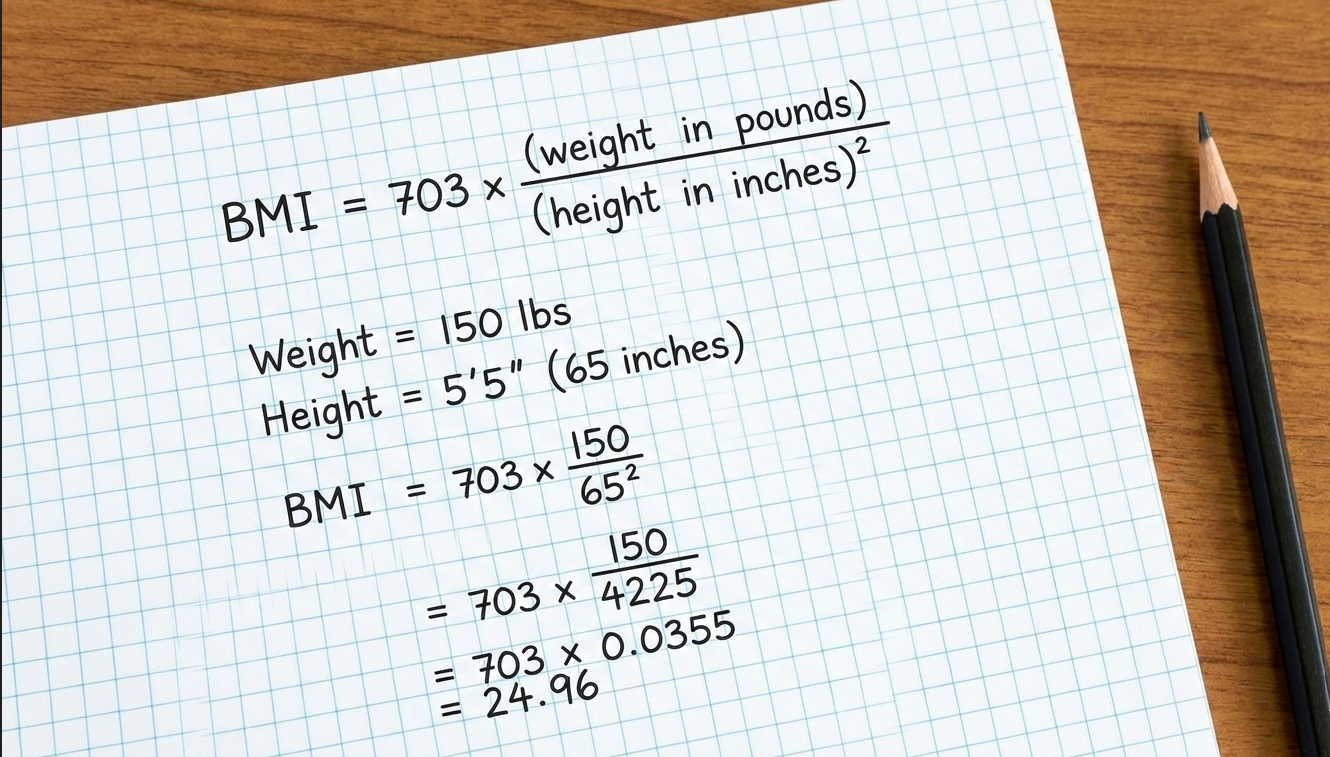
BMI for children uses the same formula as adults:
BMI = weight (kg) ÷ [height (m)]²
However, BMI interpretation is different. Children’s BMI is evaluated against age and sex-specific percentile charts.
Understanding BMI Percentiles
Percentiles help compare a child’s BMI with peers of the same age and gender:
- Below 5th percentile: Underweight
- 5th to 84th percentile: Healthy weight
- 85th to 94th percentile: Overweight
- 95th percentile and above: Obese
Using the BMI Calculator for Children
- Enter your child’s weight in kilograms (or pounds)
- Enter your child’s height in meters (or feet/inches)
- Select the age and gender
- Click “Calculate BMI”
- Check the percentile and category
Growth Tracking Tips
- Plot BMI on a growth chart regularly
- Monitor dietary habits and encourage balanced meals
- Promote daily physical activity appropriate for age
- Consult a pediatrician for concerns about growth or BMI
- Educate children about healthy lifestyle habits
Special Considerations for Children
Children’s bodies grow at different rates. Puberty, genetics, and activity levels can affect BMI. Always interpret BMI in the context of overall health and growth trends.
Frequently Asked Questions
Can BMI predict future obesity?
BMI in childhood is a useful predictor but not absolute. Healthy habits and guidance from healthcare providers are essential for long-term prevention.
Is BMI accurate for very active children?
Children with high muscle mass may have a slightly higher BMI but still be healthy. Percentiles and growth charts are critical for accurate assessment.
How often should I check my child’s BMI?
Once every 3–6 months is typically sufficient to track growth patterns, but follow your pediatrician’s advice.
Our Resources
Conclusion
Our BMI Calculator for Children is a reliable, easy-to-use tool to help parents monitor their child’s growth and weight category. Consistent tracking, healthy eating, physical activity, and professional consultation ensure children grow up healthy and strong.