Employee Productivity Improvement: 12 Powerful Health-Focused Strategies That Transform Workplace Performance
12 Powerful Health-Focused Strategies That Transform Workplace Performance
In today’s competitive business environment, employee productivity improvement is not just about tighter deadlines or stricter supervision. It’s about creating a healthier, more supportive workplace where employees can perform at their best—physically, mentally, and emotionally.
Organizations that focus only on output often miss the bigger picture. Sustainable productivity comes from healthy teams, smart leadership, and well-designed work systems. When companies invest in wellness-driven strategies, productivity naturally rises.
If you’re looking for actionable insights to strengthen performance across your organization, this comprehensive guide will walk you through 12 proven approaches. For more business improvement insights, visit https://dike.com.ng.
Why Employee Productivity Improvement Matters More Than Ever
Employee productivity is directly tied to profitability, innovation, and long-term sustainability. When workers are energized and engaged, they:
- Complete tasks faster
- Make fewer errors
- Contribute creative ideas
- Improve customer satisfaction
- Strengthen team collaboration
On the other hand, burnout, fatigue, and poor health reduce output and morale.
Let’s explore the 12 most effective health-focused approaches to employee productivity improvement.
1. Promote Physical Wellness Programs

Physical health significantly affects productivity.
Why It Works
Healthy employees experience:
- Higher energy levels
- Reduced absenteeism
- Improved concentration
- Lower healthcare costs
Practical Actions
- Offer gym membership discounts
- Organize fitness challenges
- Provide onsite wellness workshops
- Encourage walking meetings
When employees feel physically strong, their performance improves naturally.
2. Improve Workplace Ergonomics

Poor posture and uncomfortable seating lead to fatigue and chronic pain.
Key Improvements
- Ergonomic chairs
- Adjustable desks
- Proper lighting
- Monitor height adjustments
Ergonomic workspaces reduce injury risk and boost comfort, directly supporting employee productivity improvement.
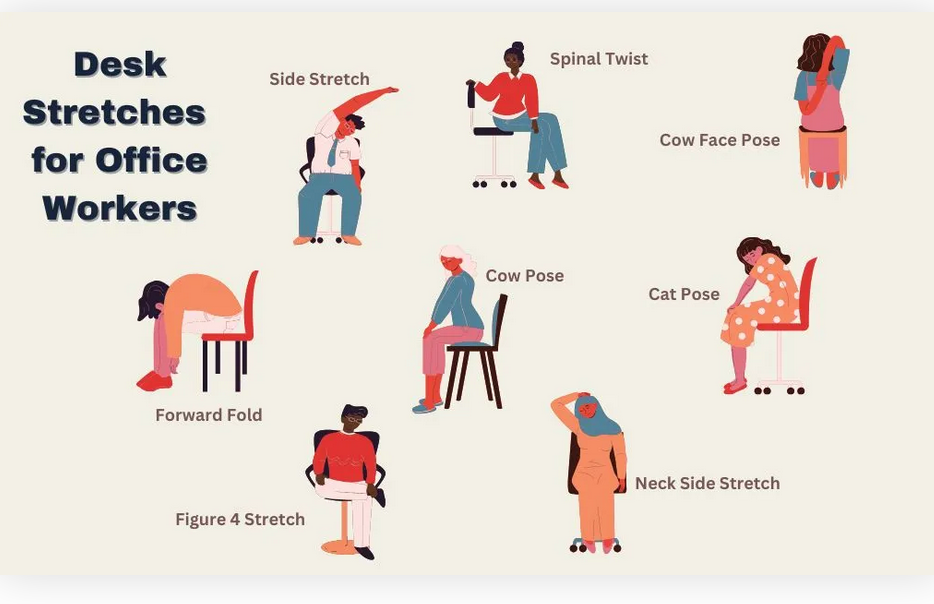
3. Encourage Regular Movement Breaks
Sitting for long hours slows metabolism and reduces alertness.
Encourage employees to:
- Stand every 60 minutes
- Take short walks
- Stretch during breaks
- Participate in active meetings
Even small movements increase blood flow and improve focus.
4. Support Mental Health and Stress Management
Mental wellness is just as important as physical health.
Strategies
- Provide access to counseling services
- Offer stress management workshops
- Promote work-life balance
- Normalize conversations about mental health
Stress reduces cognitive function, creativity, and decision-making ability. Addressing it enhances productivity.
5. Offer Flexible Work Arrangements
Flexible schedules help employees manage personal responsibilities while staying productive.
Options include:
- Remote work
- Hybrid schedules
- Flexible hours
- Compressed workweeks
Flexibility reduces burnout and increases job satisfaction.
6. Create Clear Performance Expectations
Unclear goals lead to confusion and inefficiency.
Best Practices
- Define measurable KPIs
- Provide written role descriptions
- Conduct regular performance reviews
- Offer constructive feedback
Clarity improves accountability and efficiency.
7. Strengthen Leadership and Communication

Strong leadership is a foundation for employee productivity improvement.
Leaders should:
- Communicate transparently
- Recognize achievements
- Provide guidance
- Encourage collaboration
Employees thrive when they trust leadership.
8. Encourage Healthy Nutrition at Work
Workplace nutrition impacts energy levels.
Practical Steps
- Offer healthy cafeteria options
- Replace junk food vending machines
- Provide hydration stations
- Educate employees on balanced diets

Healthy eating supports sustained energy and focus.
9. Invest in Skill Development
Training increases confidence and competence.
Benefits
- Improved job performance
- Greater innovation
- Higher employee engagement
- Reduced turnover
When employees grow professionally, productivity follows.
10. Recognize and Reward Performance
Recognition fuels motivation.
Ways to reward employees:
- Public acknowledgment
- Bonuses
- Career advancement opportunities
- Employee-of-the-month programs
Feeling valued increases engagement and output.
11. Foster a Positive Workplace Culture
A healthy culture encourages collaboration and morale.
Key Elements
- Inclusivity
- Respect
- Open communication
- Team-building activities
Positive culture reduces stress and improves teamwork.
12. Use Data to Measure Productivity Improvements
Employee productivity improvement should be measurable.
Metrics to Track
- Absenteeism rates
- Task completion times
- Employee engagement surveys
- Turnover rates
Data helps organizations refine strategies for better results.
For more detailed workplace performance insights, explore expert resources at https://dike.com.ng.
The Link Between Health and Sustainable Productivity
Organizations that prioritize wellness experience:
- Lower healthcare costs
- Reduced burnout
- Higher retention rates
- Improved workplace morale
- Greater financial performance
Productivity is not about pushing employees harder — it’s about supporting them smarter.
Common Mistakes to Avoid
- Ignoring mental health
- Focusing only on short-term output
- Failing to measure results
- Neglecting leadership training
- Overlooking employee feedback
Avoiding these mistakes strengthens long-term performance.
FAQs About Employee Productivity Improvement
1. What is employee productivity improvement?
It refers to strategies that increase efficiency, performance, and output while maintaining employee well-being.
2. Does wellness really impact productivity?
Yes. Physical and mental health directly influence focus, energy, and efficiency.
3. How can small businesses improve productivity?
Start with low-cost initiatives like flexible schedules, recognition programs, and movement breaks.
4. How long does it take to see results?
Many organizations notice improvements within 3–6 months.
5. Is remote work better for productivity?
It depends on the role, but flexibility often increases satisfaction and output.
6. Should productivity improvement be ongoing?
Absolutely. Continuous improvement ensures sustained performance.
Conclusion
True employee productivity improvement comes from a balanced approach that integrates health, leadership, workplace design, and performance management.
Organizations that prioritize employee well-being don’t just increase output — they build resilient, motivated, and high-performing teams.
If you’re ready to elevate your workplace performance strategy, start implementing these 12 health-focused approaches today.
For more business growth strategies and workplace insights, visit https://dike.com.ng.