Obesity and Workplace Rights
Explore the complex legal landscape of obesity as a disability in the workplace. Understand your rights and employer responsibilities.

Is Obesity a Disability? Workplace Legal Considerations
Did you know that an estimated 1.9 billion adults worldwide are overweight or obese? This staggering statistic highlights a significant global health challenge, and it inevitably spills over into the workplace. The question of whether obesity itself constitutes a disability, and what legal protections individuals might have, is a complex and evolving area. Navigating this terrain requires understanding legal frameworks, medical considerations, and the nuances of workplace discrimination.
This article delves into the intricate relationship between obesity and disability law, specifically focusing on workplace legal considerations. We will explore how legal systems around the world, particularly in the United States and the United Kingdom, approach this issue, what constitutes a protected characteristic or disability, and what rights employees and employers have.
Understanding Obesity: A Health Challenge with Workplace Implications
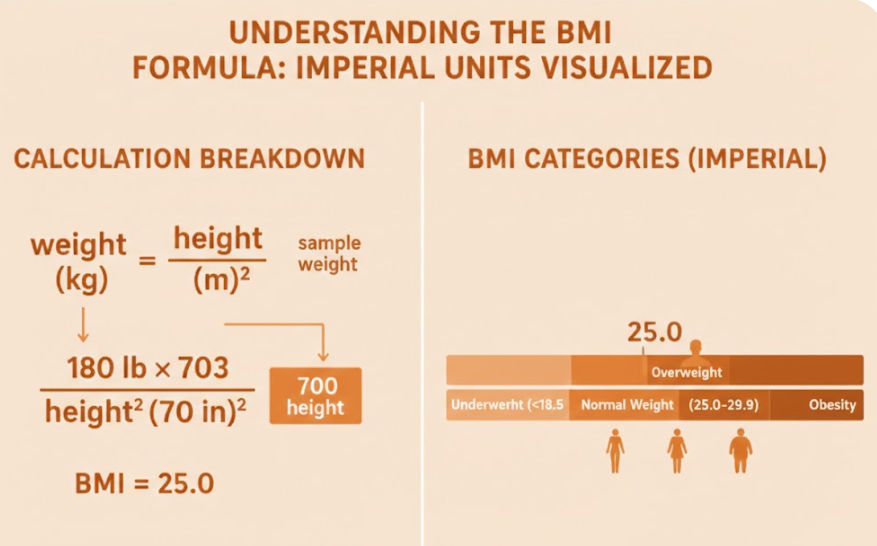
Before diving into the legal aspects, it’s crucial to understand obesity from a health perspective. The World Health Organization (WHO) defines obesity as an abnormal or excessive accumulation of fat that presents a risk to health. Body Mass Index (BMI), a measure of body fat based on height and weight, is commonly used to classify weight status. A BMI of 30 or higher is generally considered obese.
Obesity is not merely a cosmetic concern; it is a complex medical condition often linked to a range of serious health problems, including:
- Cardiovascular diseases: Heart disease, stroke, and high blood pressure.
- Type 2 diabetes: A chronic condition affecting blood sugar levels.
- Certain types of cancer: Including breast, colon, and endometrial cancers.
- Musculoskeletal disorders: Such as osteoarthritis, due to increased stress on joints.
- Respiratory problems: Like sleep apnea and asthma.
These associated health conditions are often the primary drivers behind legal considerations in the workplace. While obesity itself might not always be legally defined as a disability, the impairments it causes can be.
Obesity and Disability Law: A Global Perspective
The legal landscape surrounding obesity and disability varies significantly by jurisdiction. What might be protected in one country may not be in another. However, a common thread is the focus on whether the condition substantially limits one or more major life activities, a key criterion in many disability discrimination laws.
United States: The Americans with Disabilities Act (ADA)
In the United States, the primary federal law addressing disability discrimination in employment is the Americans with Disabilities Act (ADA). The ADA prohibits employers with 15 or more employees from discriminating against qualified individuals with disabilities in all aspects of employment, including hiring, firing, promotion, and compensation.
To be protected under the ADA, an individual must have a disability. The ADA defines disability as:
- A physical or mental impairment that substantially limits one or more major life activities.
- A record of such an impairment.
- Being regarded as having such an impairment.
Is obesity considered a disability under the ADA?
The U.S. Equal Employment Opportunity Commission (EEOC) and various court decisions have provided guidance on this. Generally, morbid obesity (often defined as being 100% over ideal body weight or having a BMI of 40 or higher) or obesity that is caused by an underlying physiological disorder or condition may be considered a disability under the ADA if it substantially limits a major life activity. For example, if an individual’s obesity causes severe mobility issues, breathing difficulties, or other significant impairments, it could qualify.
However, simple obesity that is not the result of a physiological disorder and does not substantially limit major life activities is typically not considered a disability under the ADA. The focus is on the impairment and its impact, not the weight itself.
Key Considerations under the ADA:
- Underlying Medical Condition: If obesity is a symptom of a diagnosed medical condition (e.g., hypothyroidism, Cushing’s syndrome), that condition may be the protected disability.
- Regarded as Disabled: An employer might violate the ADA if they treat an employee as having a disability simply because of their weight, even if the employee does not actually have a disability, and this treatment leads to adverse employment actions.
- Reasonable Accommodations: If an employee’s obesity qualifies as a disability, employers may be required to provide reasonable accommodations to help them perform their job duties, unless doing so would cause undue hardship to the employer. Examples could include modified workstations, adjusted break schedules, or assistive devices.
Case Law: While there isn’t a single landmark Supreme Court case definitively stating all obesity is a disability, numerous lower court decisions have addressed the issue. For instance, the case of EEOC v. Resources for the Elderly (2003) involved an employer who refused to hire an applicant due to her obesity, and the court found that her obesity, which stemmed from an underlying medical condition, constituted a disability under the ADA.
United Kingdom: The Equality Act 2010
In the United Kingdom, the Equality Act 2010 provides protection against discrimination based on several protected characteristics, including disability. The Act defines a disability as:
> “A person has a disability if he or she has a physical or mental impairment, and the impairment has a substantial adverse effect on his or her ability to carry out normal day-to-day activities.”
Similar to the ADA, the focus is on the effect of the impairment, not the condition itself. The impairment must also be long-term (lasting or expected to last for at least 12 months).
Is obesity considered a disability under the Equality Act 2010?
The situation in the UK is somewhat clearer. The Employment Appeal Tribunal (EAT) case of _Bebb v. The Law Society_ (2003) is a key precedent. In this case, the EAT ruled that obesity could be considered a disability if it meets the definition of impairment under the previous Disability Discrimination Act 1995 (which is mirrored in the Equality Act 2010). The tribunal stated that if obesity leads to medical difficulties or limitations in performing day-to-day activities, it can be classified as a disability.
This means that an employee in the UK whose obesity causes significant health issues or functional limitations might be protected under the Equality Act 2010. Employers cannot discriminate against them based on this protected characteristic and may need to make reasonable adjustments.
Reasonable Adjustments in the UK:
Employers have a duty to make reasonable adjustments for employees with disabilities. For an employee whose obesity is deemed a disability, this could involve:
- Providing ergonomic equipment.
- Allowing more frequent breaks.
- Modifying job tasks or working hours.
- Ensuring workplace facilities are accessible.
Discrimination and Harassment in the Workplace
Regardless of whether obesity is legally defined as a disability in a specific context, employees can still face discrimination or harassment based on their weight. This can manifest in various ways:
- Differential Treatment: Being denied opportunities, promotions, or training given to colleagues of a different weight.
- Derogatory Remarks: Being subjected to jokes, insults, or offensive comments about their weight.
- Unfair Performance Evaluations: Having performance reviews negatively impacted by weight-related assumptions rather than actual job performance.
- Unreasonable Physical Demands: Being expected to perform tasks that are genuinely beyond their physical capabilities due to weight-related limitations, without appropriate support.
In many jurisdictions, even if obesity isn’t a protected disability, discrimination based on appearance or perceived characteristics can still be unlawful under broader anti-discrimination statutes or employment laws. For instance, in the US, while weight alone might not be a protected class federally, some states and cities have enacted laws that prohibit weight discrimination.
Employer Responsibilities and Best Practices
Employers play a critical role in fostering an inclusive and supportive workplace. When it comes to obesity and potential disability considerations, employers should adopt proactive and legally compliant approaches.
Legal Compliance:
- Understand Applicable Laws: Familiarize yourself with national, state, and local laws regarding disability discrimination and weight discrimination.
- Focus on Performance: Base employment decisions (hiring, promotion, discipline) on an individual’s ability to perform the essential functions of their job, not on their weight.
- Handle Accommodation Requests Seriously: If an employee claims their weight significantly impacts their ability to work and requests accommodation, engage in an interactive process to determine if a disability exists and what reasonable accommodations can be provided.
- Train Staff: Educate managers and employees on anti-discrimination policies, respectful communication, and the importance of focusing on job performance.
Creating a Supportive Environment:
- Promote Health and Well-being: Offer wellness programs that focus on overall health, not just weight loss. These could include access to healthy food options, fitness resources, and stress management programs.
- Ensure Accessibility: Make sure workplace facilities, equipment, and safety measures are accessible and comfortable for all employees, regardless of size.
- Foster a Culture of Respect: Encourage a workplace culture where all employees are treated with dignity and respect, free from bullying or harassment.
Employee Rights and Actions
If you believe you are facing discrimination or harassment due to your weight, or if your obesity is causing significant limitations and you require accommodations, understanding your rights is crucial.
Know Your Rights:
- Review Company Policies: Familiarize yourself with your employer’s policies on discrimination, harassment, and accommodations.
- Document Everything: Keep detailed records of any incidents, conversations, or communications related to your weight and employment. This includes dates, times, people involved, and what was said or done.
- Seek Medical Documentation: If your obesity is linked to a medical condition that limits your abilities, obtain documentation from your healthcare provider.
Taking Action:
- Internal Complaint: Report the issue to your HR department or a designated manager, following your company’s internal complaint procedures.
- External Agencies: Depending on your location, you may be able to file a complaint with government agencies responsible for enforcing anti-discrimination laws (e.g., the EEOC in the US, the Equality and Human Rights Commission in the UK).
- Legal Counsel: Consult with an employment lawyer specializing in discrimination cases to understand your options and legal recourse.
The Nuance: Weight as a Symptom vs. Weight as a Condition
It’s vital to reiterate the distinction between obesity as a condition and the impairments it can cause. Legal protections often hinge on whether the condition itself is recognized as a disability or if it leads to a disabling impairment.
For instance, an individual with a BMI of 35 might not be considered disabled if they can still perform all major life activities without significant difficulty. However, if that same BMI is linked to severe sleep apnea that causes debilitating daytime fatigue, or extreme joint pain that prevents walking long distances, then the impairments resulting from the obesity are more likely to be legally recognized as a disability.
This nuanced approach ensures that legal protections are focused on individuals who face genuine barriers to employment and equal opportunity due to a significant health condition or its consequences.
Conclusion
The question of whether obesity is a disability in the workplace is not a simple yes or no answer. Legally, it often depends on the specific jurisdiction, the severity of the obesity, whether it stems from an underlying medical condition, and crucially, whether it substantially limits one or more major life activities or the ability to carry out normal day-to-day activities. While simple obesity may not be a protected disability, the medical complications and functional limitations it can cause often are.
Employers must navigate these complexities with care, focusing on performance, adhering to anti-discrimination laws, and fostering inclusive environments. Employees facing discrimination or seeking accommodations due to weight-related impairments should understand their rights, document incidents, and seek appropriate advice. The ongoing evolution of legal interpretations and societal understanding means this is a topic that will continue to be relevant in employment law discussions.
For those seeking to understand their rights regarding employment law and workplace accommodations, resources like Dike Law Firm can offer valuable guidance and legal support.
Key Takeaways
- Obesity as a Disability Varies by Law: Legal definitions of disability differ across countries and even within regions.
Focus on Impairment: Legal protections often depend on whether obesity causes a substantial limitation* in major life activities or daily tasks, rather than the weight itself.
- Underlying Conditions Matter: Obesity caused by a diagnosed medical condition is more likely to be recognized as a disability.
- “Regarded As” Protection: In some jurisdictions (like the US under the ADA), being treated as disabled due to weight, even if not actually disabled, can be grounds for protection.
- Reasonable Accommodations: If obesity is recognized as a disability, employers may need to provide reasonable adjustments.
- Discrimination is Unlawful: Even if not classified as a disability, weight-based discrimination and harassment are often prohibited.
- Documentation is Key: Employees facing issues should document all relevant incidents.
Frequently Asked Questions (FAQs)
Q1: Can an employer fire me just because I am obese?
A1: In many places, an employer cannot legally fire an employee solely because of their weight if obesity is considered a protected disability or if weight discrimination is prohibited by local law. However, if the obesity prevents the employee from performing the essential functions of their job, and no reasonable accommodation can be made, termination might be legally permissible. Employment decisions should always be based on job performance and qualifications.
Q2: What if my obesity is caused by a medical condition? Does that change my rights?
A2: Yes, it often significantly changes your rights. If your obesity is a symptom or result of a diagnosed medical condition (like a thyroid disorder or a genetic condition), that underlying medical condition may be recognized as a disability under laws like the ADA or the Equality Act. This can provide stronger legal grounds for protection and requests for accommodation.
Q3: What are “reasonable accommodations” for an employee with obesity-related limitations?
A3: Reasonable accommodations are modifications to the work environment or the way a job is done to enable an employee with a disability to perform their essential functions. For obesity-related limitations, this could include ergonomic chairs, modified workstations, adjusted break schedules, assistance with physically demanding tasks, or flexible working hours to manage fatigue or medical appointments. The specific accommodation depends on the individual’s needs and the employer’s operational requirements.
Q4: How is “substantially limits a major life activity” determined?
A4: This is a key legal standard. It means the impairment significantly restricts an individual’s ability to perform tasks that are of central importance to most people’s daily lives. Examples of major life activities include caring for oneself, performing manual tasks, walking, seeing, hearing, speaking, breathing, learning, and working. The limitation must be substantial, not minor or trivial.
Q5: What should I do if I experience weight-based bullying at work?
A5: If you experience weight-based bullying or harassment, you should report it immediately through your company’s internal grievance procedure, usually to HR. Keep detailed records of the incidents. If the bullying continues or is not addressed, you may consider seeking advice from an employment lawyer or filing a complaint with the relevant government agency responsible for workplace rights and anti-discrimination.
Q6: Does the definition of obesity as a disability apply to all jobs?
A6: Generally, yes, the legal principles regarding disability discrimination apply across most types of employment. However, the essential functions of a job and the feasibility of reasonable accommodations can vary greatly depending on the specific role and industry. For example, accommodating physical limitations might be more complex in a physically demanding job than in an office-based role.
External Resources
- U.S. Equal Employment Opportunity Commission (EEOC): The primary federal agency enforcing laws against workplace discrimination in the United States. Their website provides extensive guidance on the ADA and disability-related issues.
- Equality and Human Rights Commission (EHRC): The statutory body in Great Britain that works to eliminate discrimination, protect and promote equality, and encourage a society where everyone is treated with dignity and respect. They provide guidance on the Equality Act 2010.
https://www.equalityhumanrights.com/
- World Health Organization (WHO) – Obesity: Provides comprehensive information on obesity as a global health issue, including definitions, causes, and health consequences.
https://www.who.int/news-room/fact-sheets/detail/obesity-and-overweight
—
*Medical Disclaimer
Welcome to Dike. The information, calculators, charts, and guides provided on this website are for educational and informational purposes only. They are not intended to replace professional medical advice, diagnosis, or treatment.
Not a Substitute for Professional Advice
While we strive to provide accurate and reliable health information, the content on Dike should not be used as the sole basis for making health decisions. Always consult a licensed healthcare provider or medical professional regarding any questions about your health, weight, diet, or exercise.*